An excessively large pool forces the database server to spend more time context-switching between threads than executing actual queries. Transaction Demarcation
High-Performance Java Persistence: Optimizing Enterprise Data Layers
This public link is valid for 7 days and shares a thread, including any personal information you added. This link or copies made by others cannot be deleted. If you share with third parties, their policies apply. Can’t copy the link right now. Try again later. high-performance java persistence pdf 20
em.getTransaction().commit();
: Covers essential performance topics like connection management, batch updates, statement caching, and transaction response times. An excessively large pool forces the database server
In performance-critical scenarios, Spring JDBC Template may be preferred over JPA for fine-grained SQL optimization. Tooling and Frameworks
Do not start a transaction during the web request or business validation phase. Open it only when data manipulation is ready to begin. If you share with third parties, their policies apply
The official, updated version of the book is available directly through Vlad Mihalcea's website, ensuring you receive the most current techniques for Java 17+, 21, and newer JPA/Hibernate specifications.
Without proper configuration, applications suffer from slow execution times, database deadlocks, and high memory consumption. Achieving high-performance Java persistence requires a deep understanding of database internals, JDBC mechanics, and Hibernate caching strategies. The Core Philosophy: Data-Centric Architecture
Below is a structured plan and expanded content you can combine and expand to produce a 20-page essay on "High-Performance Java Persistence." Use standard academic formatting (approx. 500–600 words per page double-spaced; ~300–350 words single-spaced). The outline includes sections, key points, and expanded paragraphs you can paste into a document and further develop to reach 20 pages in PDF.
For data that is frequently read but rarely modified (like reference data or lookup tables), L2C frameworks (e.g., Ehcache, Infinispan, or Redis) are game-changers. Caching entity identifiers and collections prevents database hits entirely. 4. Dirty Checking and State Transitions
( For your success )
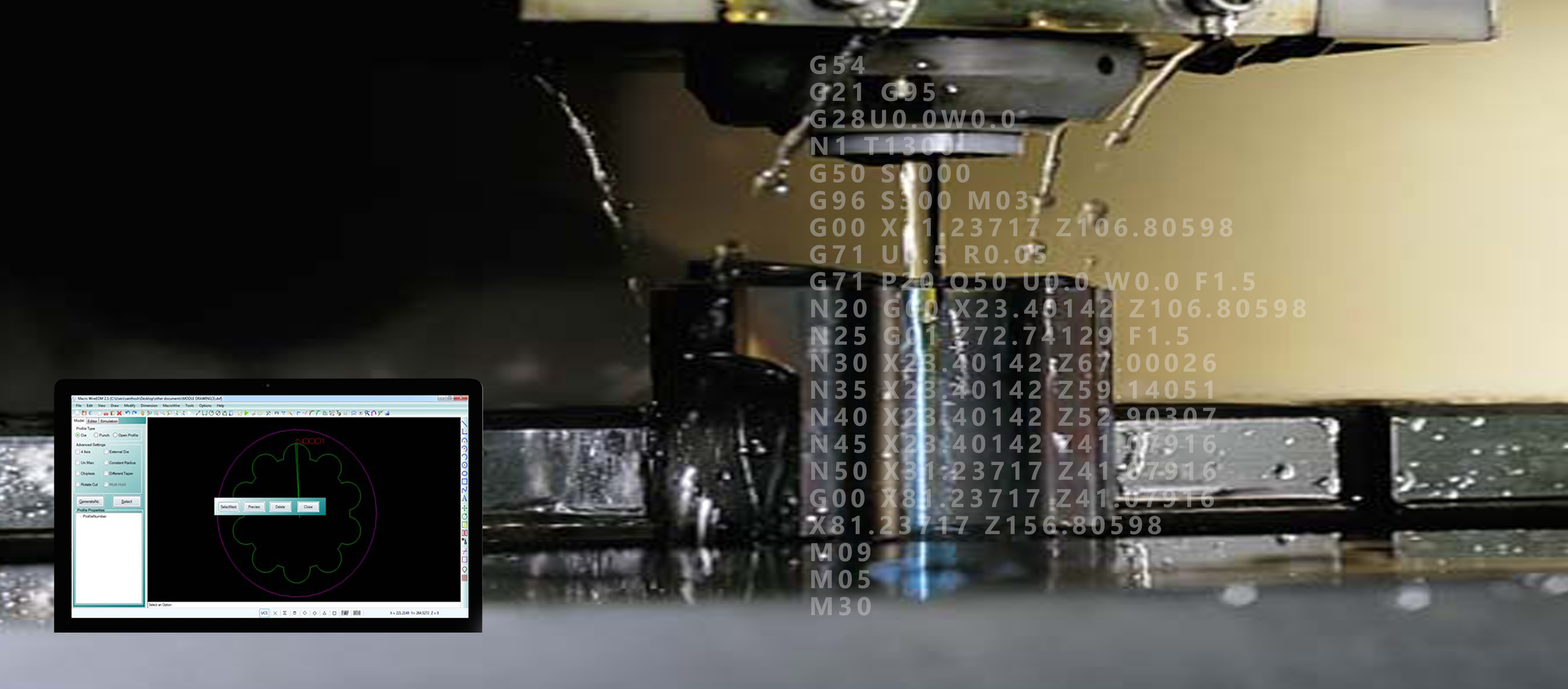
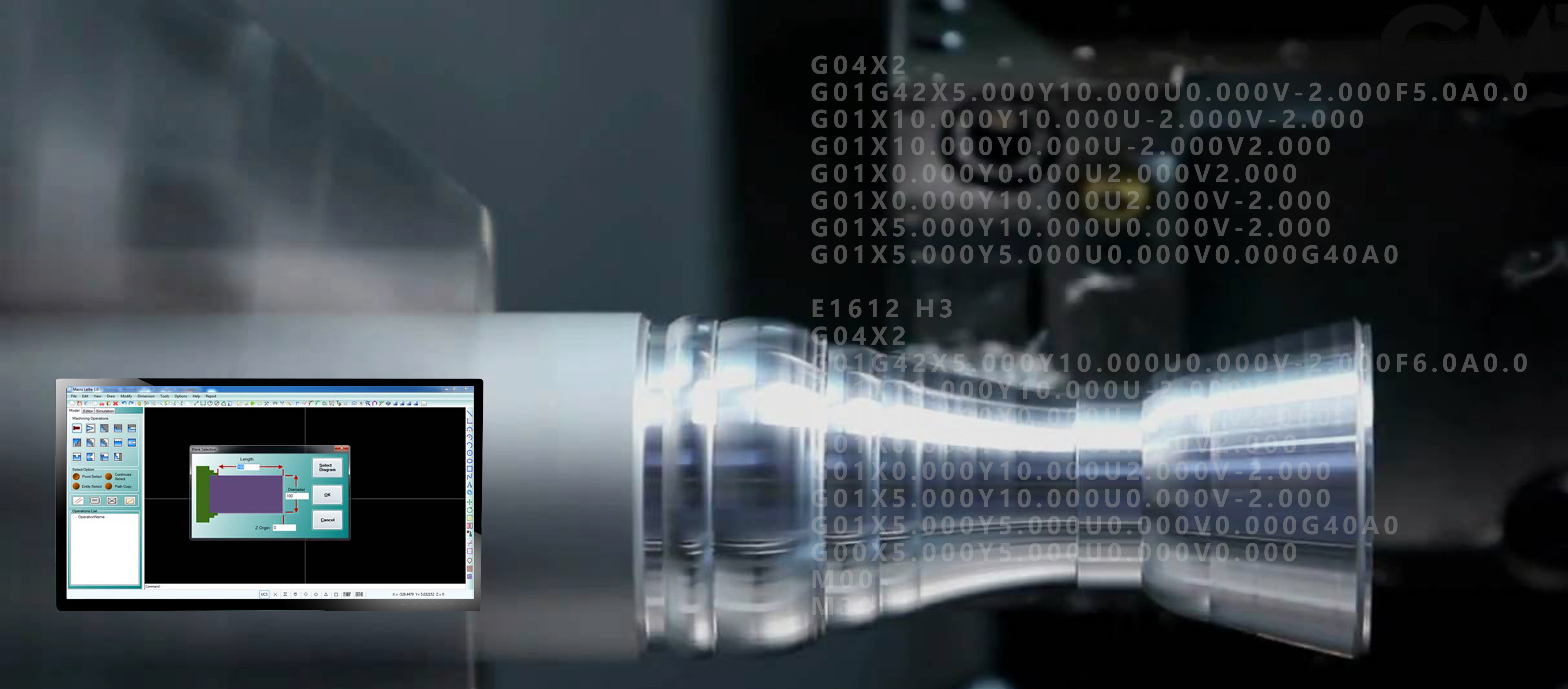
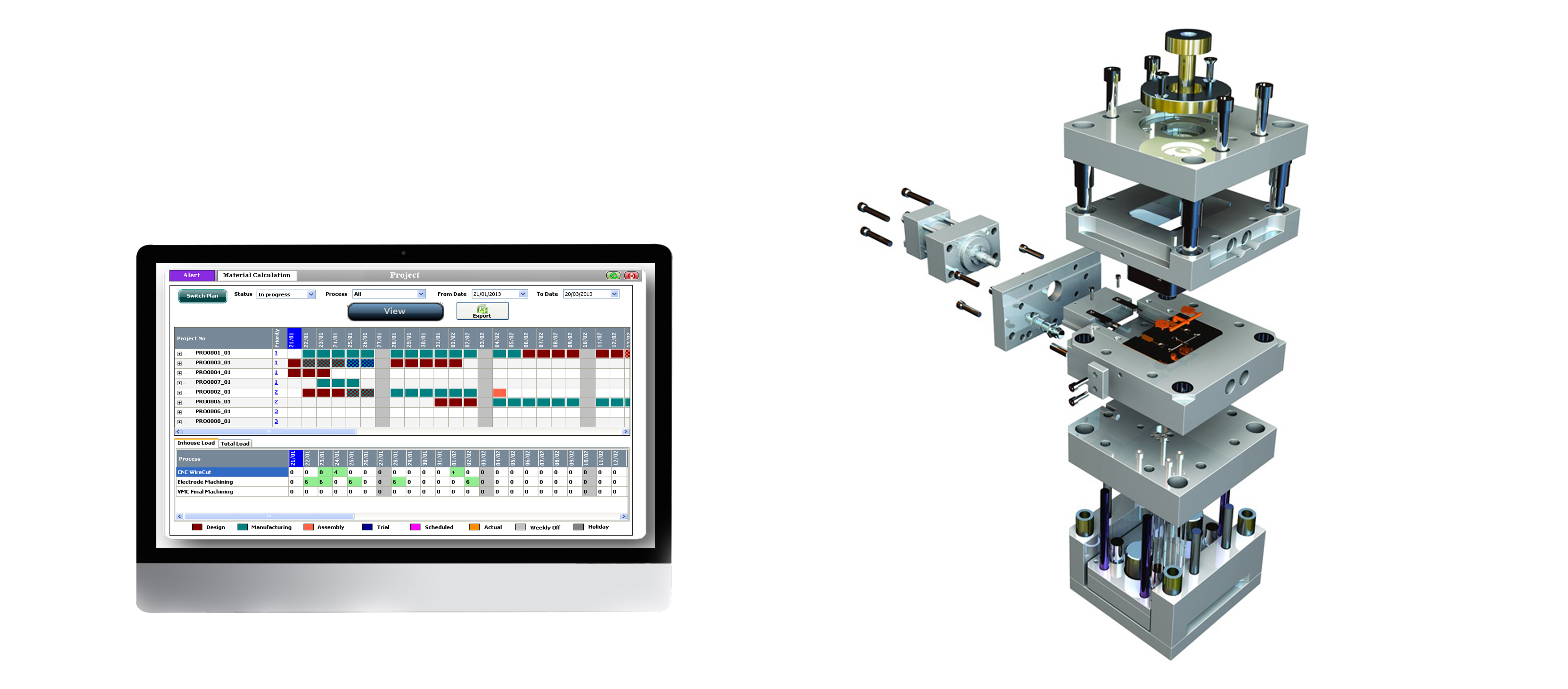
CAD MAcRO developing full of Engineering Solutions in India. We are having many customers all over world. The Engineering Solutions including CAM Solutions, Tool Room Management and Designing Solutions in for a Tool Room.
Our mission is to provide world class design and manufacturing solutions, thereby helping our customers to achieve quality and productivity by reducing th e cost and time to market.