Magicstarsubs Today
Utilizing custom fonts, colors, and positioning so that text blends naturally into the scene. For example, translating signs, background text, or newspaper headlines without distracting from the main dialogue.
Locked, basic closed-captions (SRT format) that often block on-screen action.
The world of independent subtitling operates in a complex legal gray area. Because these groups distribute copyrighted visual material, copyright holders frequently issue takedown notices under the Digital Millennium Copyright Act (DMCA).
In conclusion, MagicstarSubs is a mysterious and intriguing phenomenon that has captured the imagination of netizens. While its origins and significance are still unclear, it has become a cultural reference point, symbolizing the power of the internet to create and disseminate information. As we continue to explore the world of MagicstarSubs, we may uncover more about its meaning and purpose. However, it is also possible that the enigma of MagicstarSubs will remain unsolved, leaving us to ponder its significance and speculate about its origins.
Official streaming platforms often lagged months, or even years, behind the Japanese broadcast of these niche, long-running shows. MagicStarSubs operated with remarkable speed, often releasing subtitled episodes within days—sometimes hours—of their Japanese television debut. The Signature Style of MagicStarSubs magicstarsubs
. Below is a structured framework summarizing the core aspects of MagicStar-subs that would define such a paper. Abstract: The Role of MagicStar-subs in Global Media Access
A1: MagicStarSubs is not a piece of software. It is the English name for a Chinese fansub group officially called 魔星字幕团 (MagicStar Subtitle Group). They are best known for creating and distributing high-quality, often bilingual (Chinese-Japanese), subtitles for Japanese Tokusatsu series (like Ultraman and Kamen Rider ) and J-dramas.
: MagicStar releases are typically archived on specialized indexers like AniDB , community forums like D-Addicts , and popular Asian media tracking platforms like Nyaa and Avistaz. The Technical Architecture of MagicStar Releases
Long before it became mainstream, MagicStar was an early adopter of the HEVC (H.265) codec. This advanced compression standard allows for much smaller file sizes without a loss in quality. The group famously noted on its release of Ultraman Neos that it was "首次采用HEVC编码" (the first time using HEVC encoding), recommending viewers to use modern players like PotPlayer for playback. Utilizing custom fonts, colors, and positioning so that
However, the work of groups like MagicStarSubs left a permanent mark on the industry:
This technical choice influenced nearly every modern fansub group that followed.
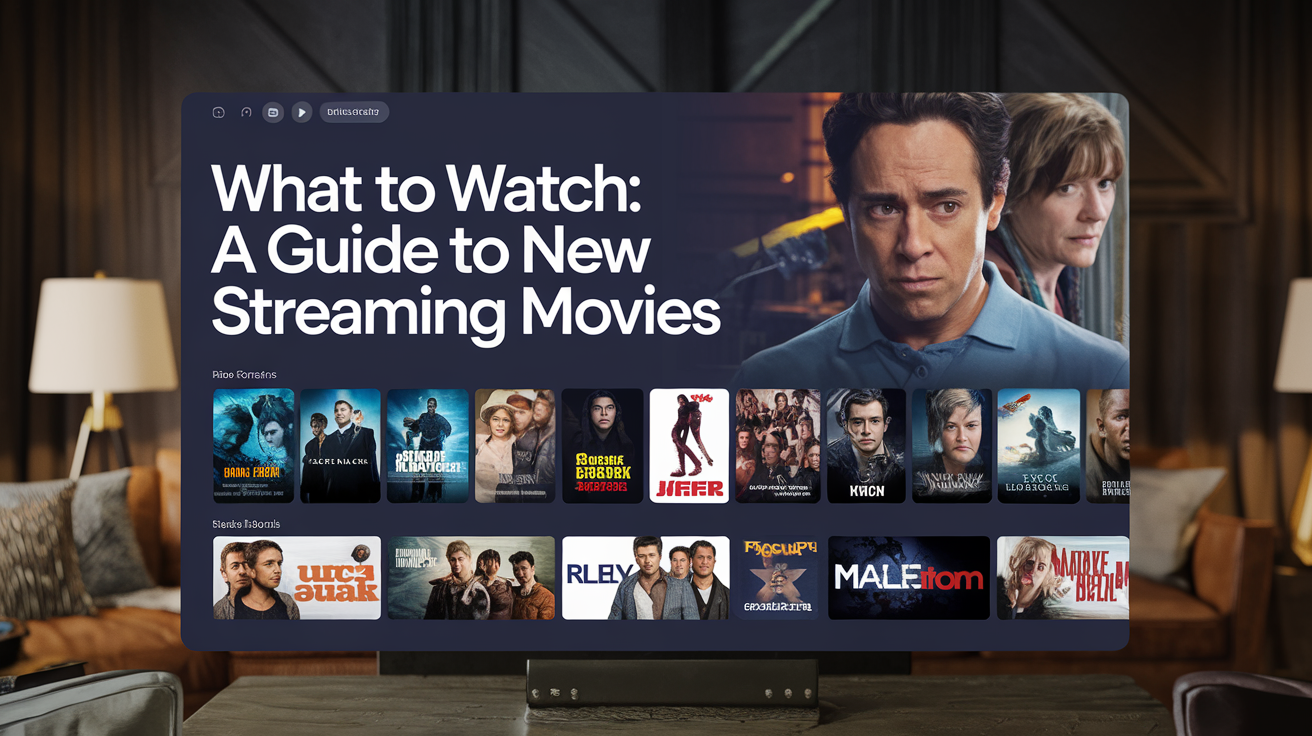
If you need help setting up a specific streaming device, let me know (like an Android box, Fire Stick, or Smart TV) so I can give you the exact steps! Share public link
MagicStarSubs: The Evolution of J-Drama Distribution and Communities The world of independent subtitling operates in a
Like many fansubbing entities, MagicStarSubs operated in a legal "grey area." While their work was born out of a passion for the medium, it technically infringed on intellectual property rights. Historically, many fansubbing groups, including MagicStar, followed an unwritten "code of ethics": they would typically stop distributing a series once it was officially licensed in the West to encourage fans to support the original creators. Legacy in the Digital Era
Setting up an internet TV setup usually takes a few simple steps. Users usually follow a basic guide like the ones found on Plume .
Original soundtracks are often replaced due to international copyright disputes. Retains the authentic, broadcast-original audio mix.
: The group also releases raw and subtitled versions of variety programs such as Radio Star , catering to fans of Japanese television culture beyond scripted fiction. Distribution and Presence
As streaming platforms grow, the role of independent subtitling teams like is evolving. While some teams have moved to official licensing, others continue to thrive by focusing on the "long tail" of content—dramas, documentaries, and variety shows that mainstream services overlook.










Leave a Reply