Some notable vulnerabilities in 2021 included:
An RDP server modified by an unknown third party frequently contains pre-installed backdoors. These backdoors allow unauthorized users to bypass standard authentication methods. This grants attackers administrative privileges to your system without your knowledge. 3. Lack of Security Updates
In the heart of a bustling metropolis, a lone server stood tall, guarding its digital fortress with an air of superiority. This was "Erebus," a remote desktop protocol (RDP) server renowned for its impenetrable defenses. For years, Erebus had withstood countless attempts to breach its security, earning a reputation as the most aloof and secure server in the land.
: A free, lightweight, and secure option tied to Google accounts, suitable for basic remote management. Best Practices for Securing Remote Desktop Connections
Avoids the need for expensive Windows Server Client Access Licenses (CALs). aloof rdp server cracked 2021
Simply leaving the default port 3389 open to the public internet made the server visible to scanning tools like Shodan. 4. Consequences of a Cracked RDP Server
By continuing to explore and address the vulnerabilities and threats associated with RDP servers, we can improve the overall security posture of organizations and protect against future breaches.
Never expose RDP directly to the public internet. Require users to connect to a Virtual Private Network (VPN) first.
Beyond the legal and malware risks, using a cracked RDP solution is a false economy. It can lead to catastrophic data loss and permanent reputational damage. The complete lack of vendor support and the inability to ensure the integrity of the code you are running on your servers makes it an untenable solution for any serious business or security-conscious individual. It’s a gamble where the house always wins. Some notable vulnerabilities in 2021 included: An RDP
Massive data transmissions during off-peak hours or connections to unfamiliar foreign IP addresses. How to Establish Secure Remote Connections Legally
Never expose your RDP port (default port 3389) directly to the public internet. Require users to connect to a secure VPN first, and then launch the RDP session within the encrypted private network tunnel. Adopt Modern Remote Desktop Alternatives
: Flaws in the RDP protocol stack (like BlueKeep) allow attackers to execute code remotely without credentials if the system is unpatched.
Automatically lock user accounts after a specific number of failed login attempts to thwart brute-force attacks. For years, Erebus had withstood countless attempts to
Add an extra layer of defense beyond just a username and password.
Configure your system to automatically lock user accounts after a few failed login attempts.
Cracked software files (often distributed as .exe , .bat , or patched .dll files) are rarely modified out of generosity. Threat actors use these downloads to package malicious code. Once you run a cracked RDP server installer with administrative privileges, you give the malware full control over your machine. This frequently leads to ransomware that encrypts your entire network. 2. Open Backdoors for Hackers

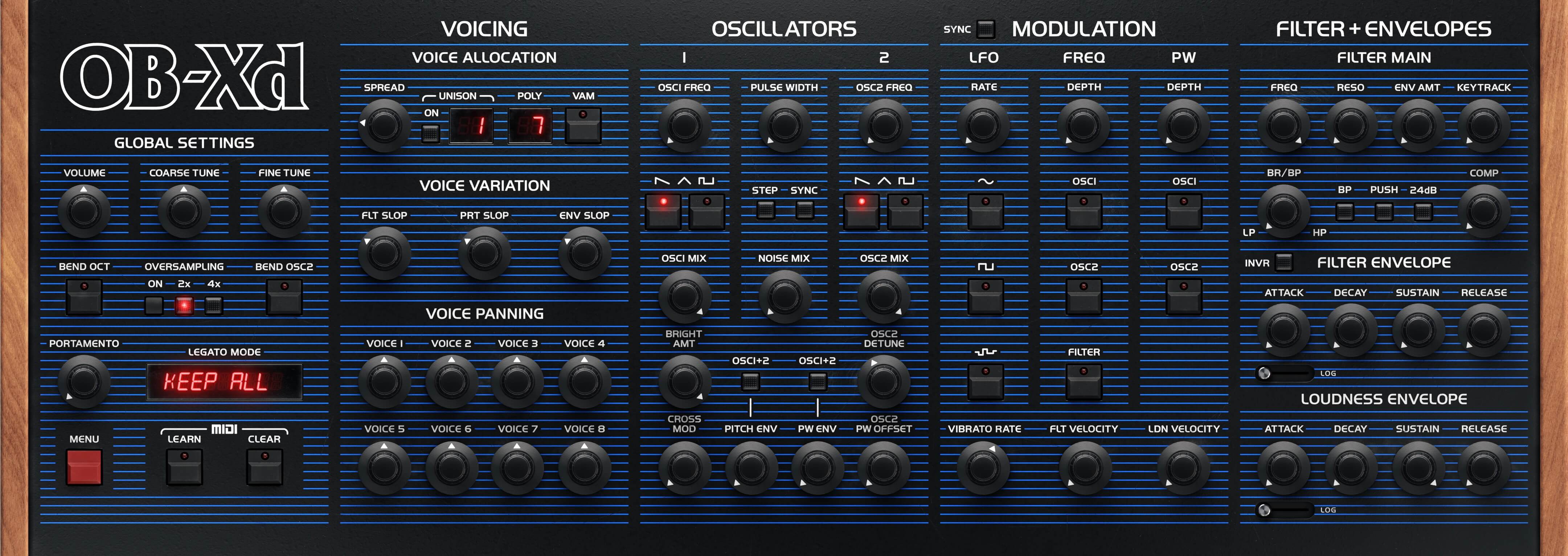
OB-Xd 3 is an emulation of the Oberheim OB-X. Stacks up to 16 voices per note, holds complex chords without voice stealing, and runs efficiently on modern CPUs. Covers vintage bass and pad territory and pushes further into thick supersaw-style textures.
Some notable vulnerabilities in 2021 included:
An RDP server modified by an unknown third party frequently contains pre-installed backdoors. These backdoors allow unauthorized users to bypass standard authentication methods. This grants attackers administrative privileges to your system without your knowledge. 3. Lack of Security Updates
In the heart of a bustling metropolis, a lone server stood tall, guarding its digital fortress with an air of superiority. This was "Erebus," a remote desktop protocol (RDP) server renowned for its impenetrable defenses. For years, Erebus had withstood countless attempts to breach its security, earning a reputation as the most aloof and secure server in the land.
: A free, lightweight, and secure option tied to Google accounts, suitable for basic remote management. Best Practices for Securing Remote Desktop Connections
Avoids the need for expensive Windows Server Client Access Licenses (CALs).
Simply leaving the default port 3389 open to the public internet made the server visible to scanning tools like Shodan. 4. Consequences of a Cracked RDP Server
By continuing to explore and address the vulnerabilities and threats associated with RDP servers, we can improve the overall security posture of organizations and protect against future breaches.
Never expose RDP directly to the public internet. Require users to connect to a Virtual Private Network (VPN) first.
Beyond the legal and malware risks, using a cracked RDP solution is a false economy. It can lead to catastrophic data loss and permanent reputational damage. The complete lack of vendor support and the inability to ensure the integrity of the code you are running on your servers makes it an untenable solution for any serious business or security-conscious individual. It’s a gamble where the house always wins.
Massive data transmissions during off-peak hours or connections to unfamiliar foreign IP addresses. How to Establish Secure Remote Connections Legally
Never expose your RDP port (default port 3389) directly to the public internet. Require users to connect to a secure VPN first, and then launch the RDP session within the encrypted private network tunnel. Adopt Modern Remote Desktop Alternatives
: Flaws in the RDP protocol stack (like BlueKeep) allow attackers to execute code remotely without credentials if the system is unpatched.
Automatically lock user accounts after a specific number of failed login attempts to thwart brute-force attacks.
Add an extra layer of defense beyond just a username and password.
Configure your system to automatically lock user accounts after a few failed login attempts.
Cracked software files (often distributed as .exe , .bat , or patched .dll files) are rarely modified out of generosity. Threat actors use these downloads to package malicious code. Once you run a cracked RDP server installer with administrative privileges, you give the malware full control over your machine. This frequently leads to ransomware that encrypts your entire network. 2. Open Backdoors for Hackers