More than a link shortener
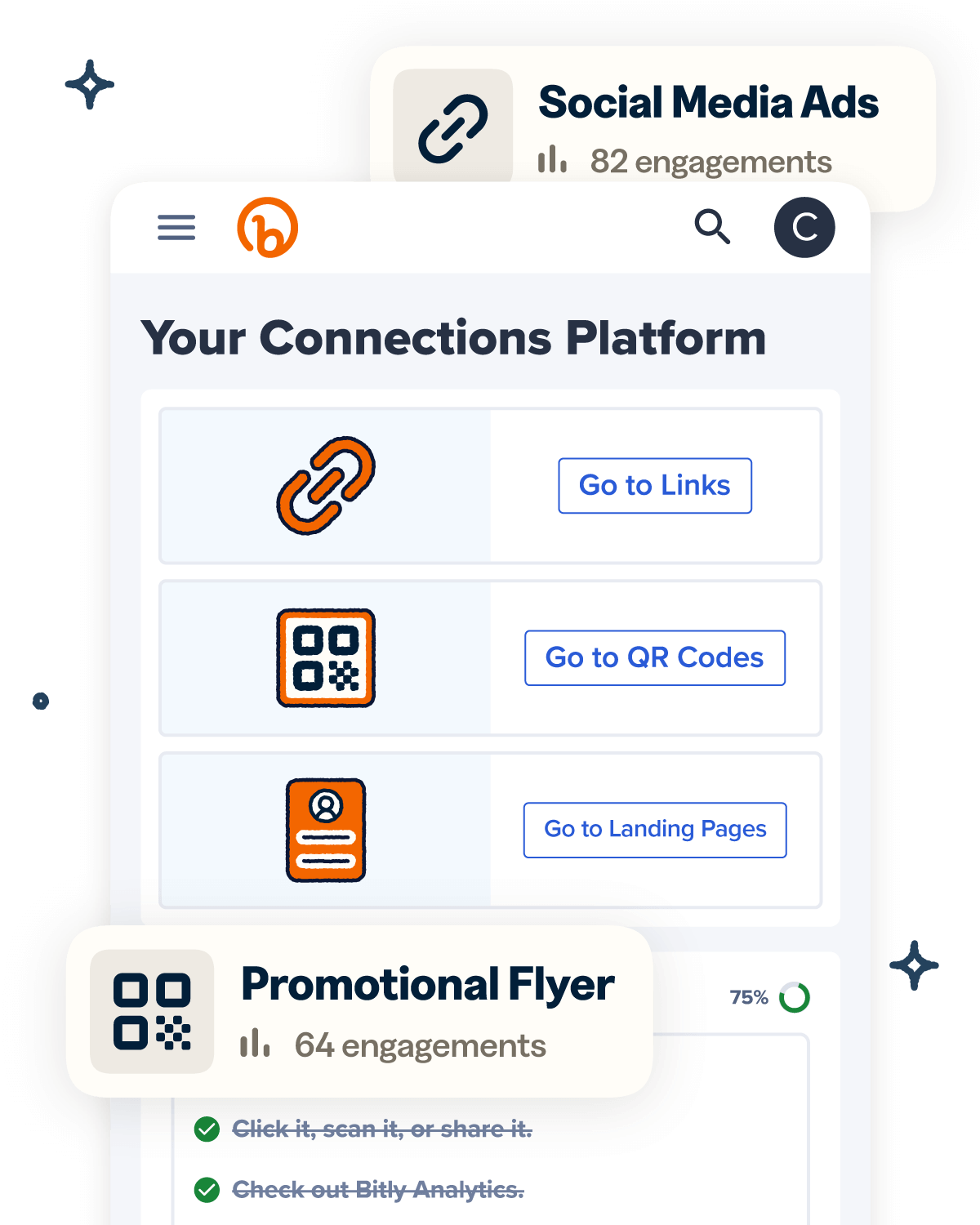
Knowing how your clicks and scans are performing should be as easy as making them. Track, analyze, and optimize all your connections in one place.

Released in late 2011, Opera Mini 6.5 was a major update for the mobile browsing world, specifically for users on older hardware. It was designed as a "proxy-based" browser, meaning it didn't render pages directly on the phone. Instead, it sent requests to Opera’s servers, which compressed the webpage by up to before sending a lightweight "snapshot" (OBML) back to the device. Key Features of the 6.5 JAR Version
The request was sent to Opera’s remote proxy servers. These servers fetched the webpage, processed the heavy code, and stripped out unnecessary scripts.
To the uninitiated, it looks like a typo. To the digital archaeologist, it is a signpost to a forgotten internet. It refers to the .jar (Java Archive) file of Opera Mini version 6.5—the executable file format used by feature phones like the Nokia C1, Sony Ericsson Walkman series, and Samsung Corby.
This process compressed webpage data by up to 90%. A webpage that originally required 2 MB of data was shrunk to a mere 200 KB. In an era where mobile data was billed per megabyte, this compression saved users massive amounts of money and allowed the web to load quickly even on sluggish 2G (GPRS/EDGE) networks. Key Features of Opera Mini 6.5 J2ME
: Version 6.5 was one of the most stable and popular releases for the Java ME platform opera mini 65jar hit
: People reviving classic Nokia, Sony Ericsson, or BlackBerry devices. Ultra-Low Resource Devices
Furthermore, Opera Mini 6.5 was part of the browser's golden era on Java ME. The technology behind it was so effective that Opera Mini became a default browser on millions of feature phones from major manufacturers like Samsung and Nokia, bringing a high-quality web experience to emerging markets where smartphones were a luxury.
Pinpoint navigation that made desktop-oriented websites readable on small displays.
Why is this specific version still searched for? Here are the key features: Released in late 2011, Opera Mini 6
: A rare feature for browsers of that era, helping to reduce eye strain in the dark.
Current designed for saving data today. Archival sources for vintage mobile software. Let me know how you would like to proceed ! Share public link
Version 6.5 introduced a dedicated data counter tool directly into the menu interface. This allowed users to see exactly how many kilobytes they used per session, making budget management incredibly easy.
For power users, it allowed switching between Socket and HTTP protocols to troubleshoot connection issues on certain carriers. Compatibility Key Features of the 6
Opera Mini 6.5: A Hit in the Making?
For tech enthusiasts and those who remember the pre-smartphone era, certain file extensions evoke a wave of nostalgia. One of them is ".jar"—a Java Archive file that, in the mid-to-late 2000s and early 2010s, was the key to unlocking a superior internet experience on millions of mobile phones. Among the most celebrated of these files was a version of the Opera Mini browser that users often searched for with a simple, potent query: "opera mini 65jar hit". This seemingly obscure search term leads to a rich history of mobile innovation, community-driven software preservation, and the enduring demand for a browser that was remarkably fast, efficient, and ahead of its time. This article delves into the story of Opera Mini 6.5 for Java ME (J2ME) platforms, exploring why it became such a "hit" and how it continues to hold relevance for tech archivists and nostalgic users today.
The mobile internet era of the late 2000s and early 2010s was defined by resourcefulness. Before 5G networks, uncapped data plans, and gigabyte-heavy mobile operating systems became the norm, browsing the web on a mobile device was a slow, expensive, and often frustrating experience. For millions of users worldwide who relied on feature phones and early smartphones running Java ME (J2ME) or Symbian operating systems, one software application changed everything: Opera Mini.
The lightweight OBML data was sent back to the Java app, which simply painted the pre-rendered layout onto the screen.
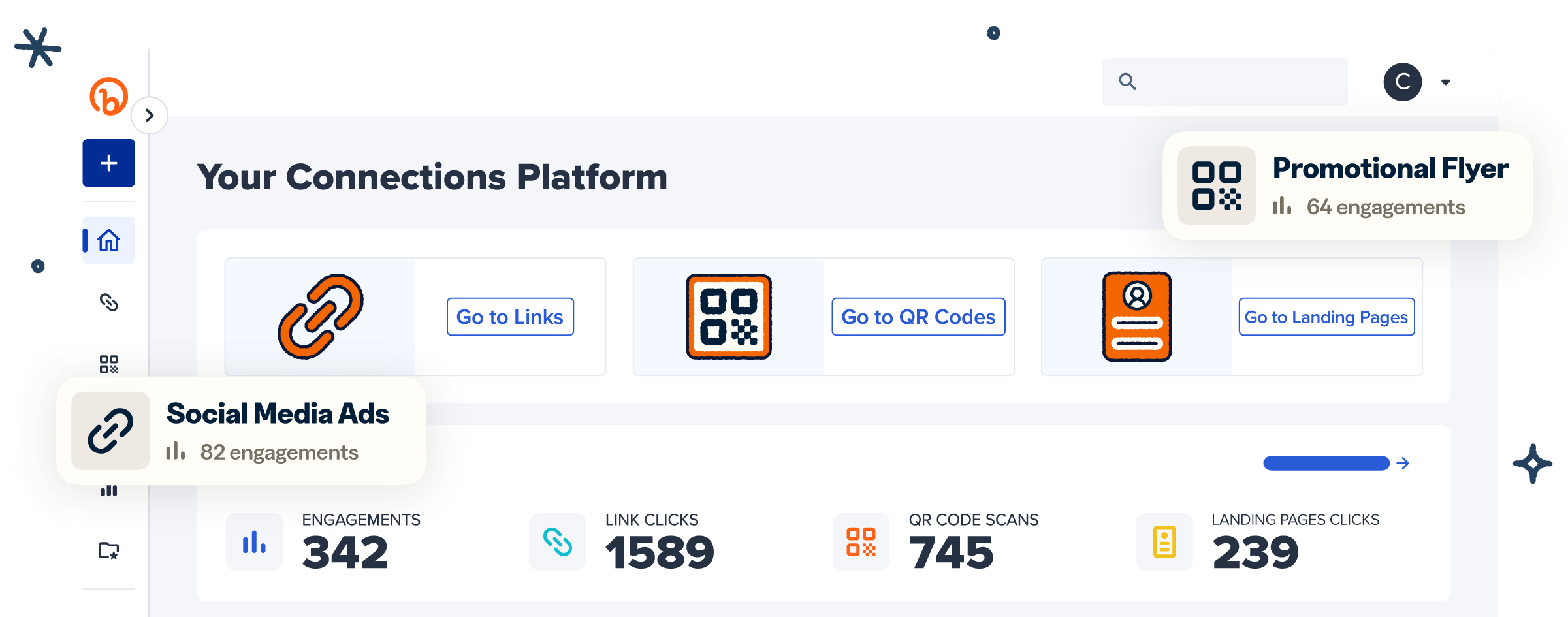
Knowing how your clicks and scans are performing should be as easy as making them. Track, analyze, and optimize all your connections in one place.
WAIT A SECOND…
Take Bitly for a spin with our free plan. It’s 100% free—no commitment, no risk and no pressure.
See why millions of people trust Bitly with their links, QR Codes and analytics.
Try Bitly for free