Thick Latina Shemale Full New! -
 Create a Tournament
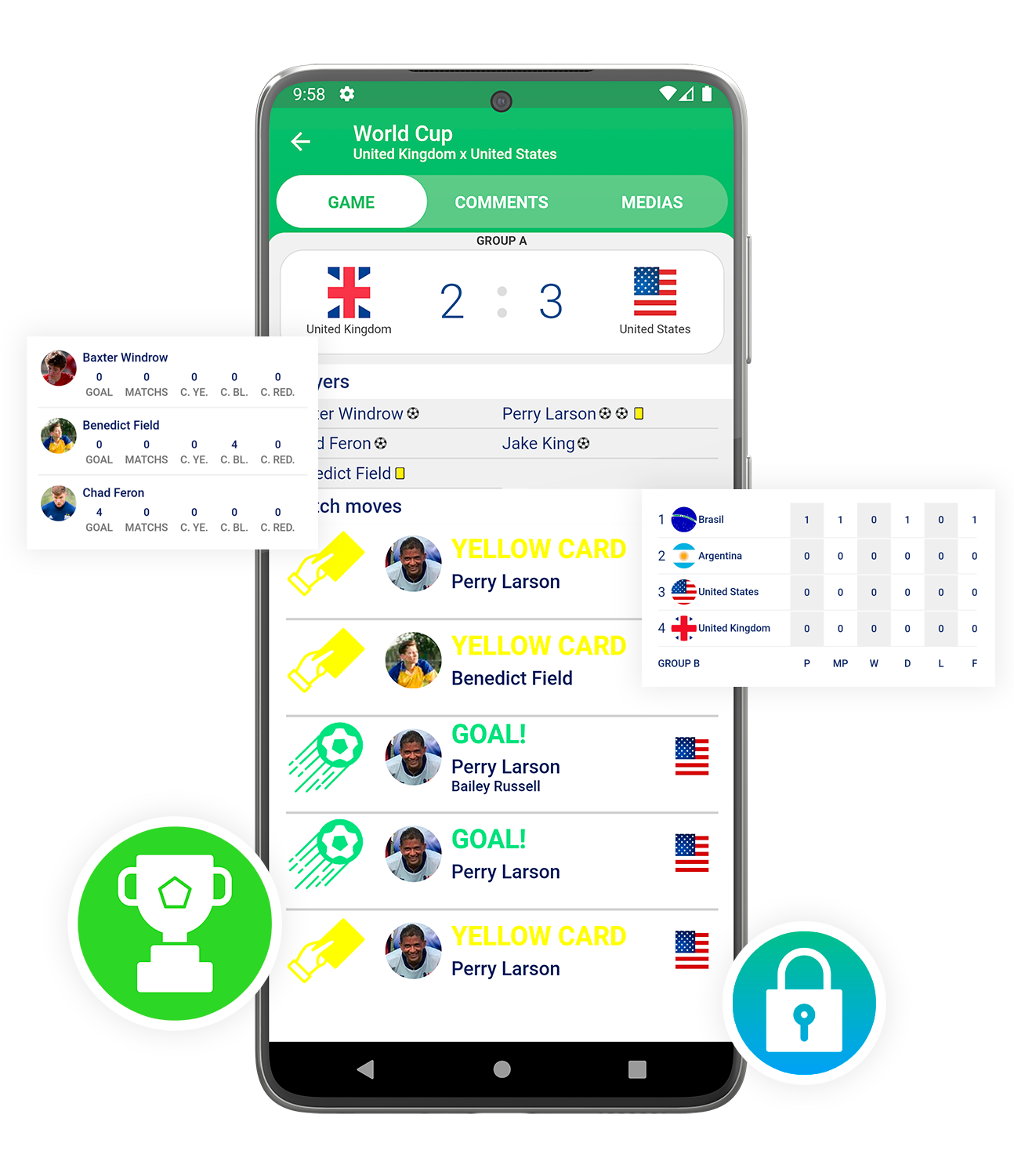
Download the Easy Tournament app and have all your championship information in the palm of your hand.


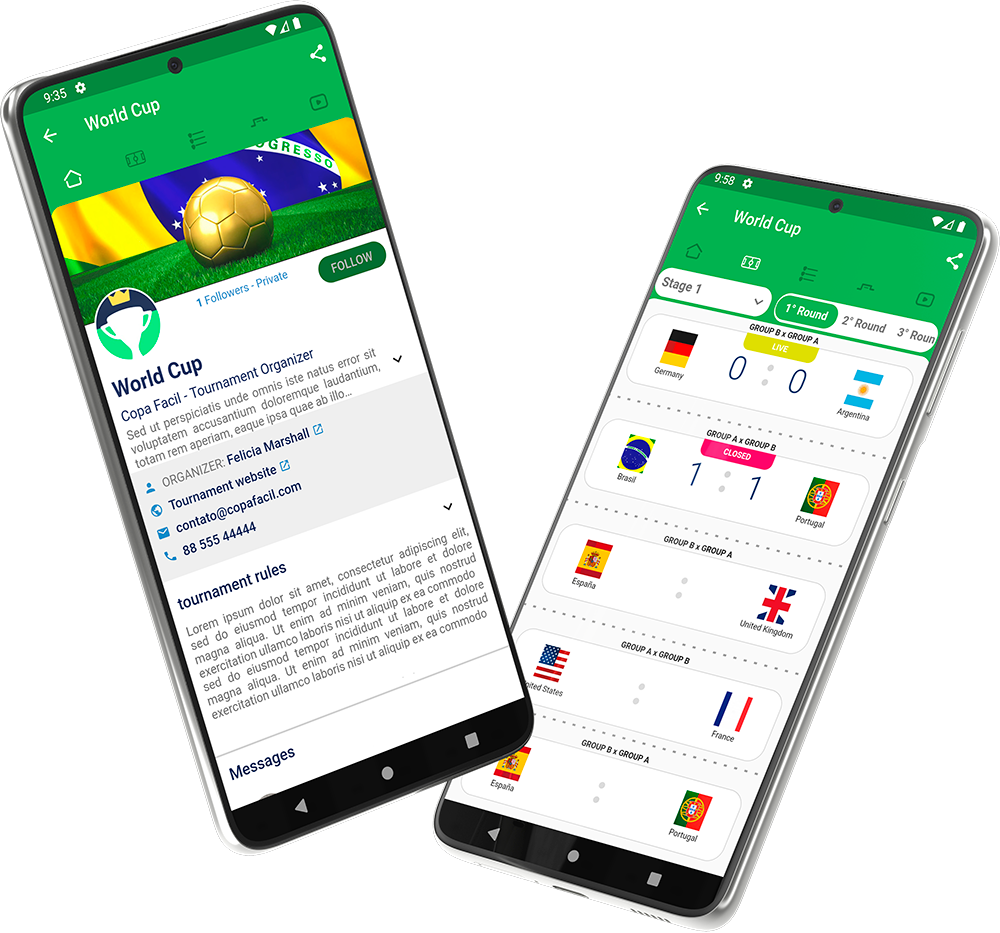 Create a Tournament
Download the Easy Tournament app and have all your championship information in the palm of your hand.


 Automatic match generator
Custom player ranking
Photos, videos and news
Print match summary
Match statistics
Team registration form
Automatic match generator
Custom player ranking
Photos, videos and news
Print match summary
Match statistics
Team registration form
 Tournaments
The relationship between the transgender community and broader LGBTQ+ culture is a dynamic, foundational bond. While the acronym brings together diverse identities under one political and cultural umbrella, the specific history, language, and challenges of transgender individuals form a unique distinct narrative. Understanding this intersection requires looking at shared histories, distinct cultural contributions, and the ongoing fight for complete liberation. A Shared History of Resistance
No article about the is complete without addressing the violence of intersectionality. The most vulnerable members of the community are not white trans women; they are Black and Latina transgender women .
This refers to an individual's internal, deeply felt sense of being male, female, a blend of both, or neither. Transgender people have a gender identity that differs from the sex they were assigned at birth. Cisgender people have a identity that aligns with their assigned sex.
The rates of violence against transgender people are alarmingly high. The Human Rights Campaign (HRC) has tracked at least 399 fatal cases of violence against transgender and gender non-conforming people since 2013, with 27 murders recorded in just the past year . The crisis is even more acute for transgender women of color . Analysis of these cases shows that 82.3% of victims were trans women, and seven in ten were Black . Violence is not the only threat; four in ten trans adults report experiencing discrimination in their daily lives based on their gender identity. thick latina shemale full
Structure wise, should start by establishing the "letter T" relationship. Then provide historical grounding, highlighting how trans individuals, especially trans women of color like Marsha P. Johnson, were central to modern LGBTQ rights. Need to address the real conflicts too: the LGB dropouts, trans exclusion in spaces, gatekeeping. But balance that with shared strengths—like the HIV/AIDS crisis response or the fight for non-discrimination. Finally, conclude with the importance of solidarity today.
These disparities sometimes lead to friction within the culture, as trans activists call for the "LGB" portions of the community to use their relative social capital to protect the most vulnerable members of the "T." The Future of the Community
Sexual orientation refers to who a person is attracted to physically, romantically, and emotionally. Transgender people can have any sexual orientation. A trans man can be gay, straight, bisexual, or asexual, just like a cisgender man. Cultural Contributions and Language A Shared History of Resistance No article about
In the 21st century, transgender creators, athletes, politicians, and activists have moved from the margins of culture directly into the spotlight, fundamentally shifting how the world understands gender. Media and Representation
: Important annual observances highlight different facets of trans life. Transgender Day of Remembrance (TDoR) is held annually on November 20 to honor the memory of those lost to anti-trans violence. In contrast, Transgender Day of Visibility (TDoV) on March 31 is a day to celebrate trans people and their contributions to society. First conceived in 2009 by activist Rachel Crandall Crocker, TDoV was created specifically to provide a day of joy and affirmation, countering the mourning of TDoR.
If you are developing content for a specific platform, let me know: Transgender people have a gender identity that differs
Not all trans people feel fully represented by "LGBTQ+ culture." Some points of nuance:
The political landscape for the transgender community varies drastically across the globe, characterized by both monumental legal victories and severe pushback.




 Chat on WhatsApp